Komodo
Where Dragons Meet the Deep — Indonesia's Current-Swept Marvel
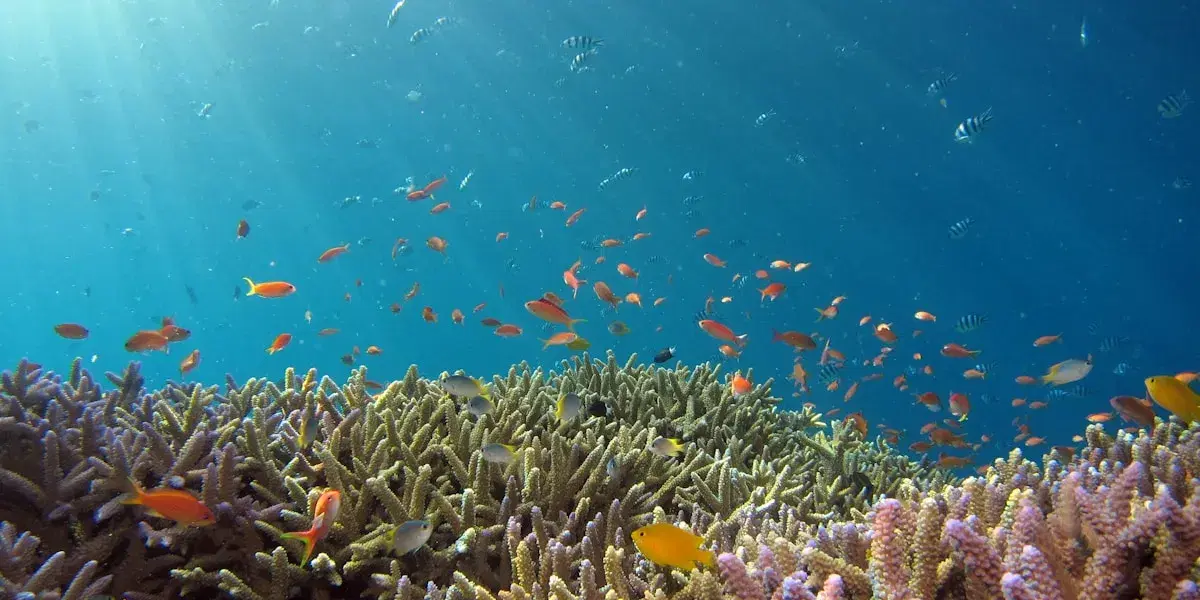
Komodo National Park lies at the confluence of the Indian and Pacific Oceans in the Lesser Sunda Islands, creating powerful currents that bring cold, nutrient-rich water up from the deep. This convergence zone is part of the Coral Triangle, the global epicenter of marine biodiversity. The park encompasses over 1,700 square kilometers of marine area with diving experiences ranging from gentle coral slopes to extreme drift dives requiring advanced skills. Manta Point offers reliable encounters with giant oceanic manta rays at a cleaning station. The northern sites like Castle Rock and Crystal Rock feature schooling fish in incredible densities, while the south offers unique critter diving. Above water, the park is home to the famous Komodo dragons, the world's largest living lizards.
Top Dive Sites
Batu Bolong
5-35mA tiny rock pinnacle rising from the sea, regarded as the single best dive site in Komodo. Below the surface, the rock is covered in vibrant hard and soft corals with an explosion of reef fish life. Strong currents require careful timing but reward divers with Napoleon wrasse, giant trevally, and reef sharks.
Castle Rock
5-30mA submerged seamount in the north famous for massive schools of surgeonfish, fusiliers, and trevally that blanket the reef. Whitetip and grey reef sharks patrol the edges, and the current-swept summit creates a thrilling drift dive experience.
Manta Point (Makassar Reef)
8-20mA gentle sandy slope that serves as a major manta ray cleaning station. Divers kneel on the sand and watch as mantas queue up to be cleaned by wrasses. Encounters are most reliable from December to February, with both reef and oceanic mantas observed.
Crystal Rock
5-25mA small rock breaking the surface near Castle Rock, surrounded by incredible marine life. The underwater terrain features overhangs and swim-throughs covered in soft corals, with dense clouds of anthias and glassfish, plus regular shark sightings.
Cannibal Rock
5-30mLocated in Horseshoe Bay in the south, this site is a macro photographer's dream. The rock is densely covered in colorful sea apples, crinoids, and soft corals, with resident frogfish, pygmy seahorses, and nudibranchs at every turn.
Featured Marine Species
Giant Oceanic Manta Ray
Mobula birostris
Giant Trevally
Caranx ignobilis
Pygmy Seahorse
Hippocampus bargibanti
Whitetip Reef Shark
Triaenodon obesus
Sea Apple
Pseudocolochirus violaceus
Blue-ringed Octopus
Hapalochlaena lunulata
Diving Conditions
Best Season
April to August (best conditions in the north); December to February (best for mantas in the south)
Water Temperature
25-29°C
Visibility
10-30m
Difficulty
Intermediate to Advanced
Frequently Asked Questions
Identify Marine Life from Komodo
Upload a photo and let our AI instantly identify the marine species you encountered on your dive.
Try AI Identification